ThangVest: what a first brand taught me about cash flow

ThangVest is a menswear brand I founded in 2016. No team, no reserve budget, and every bad decision paid for out of my own pocket. It was the training ground where I learned to look at marketing the way an owner does, where surviving on profit matters more than any handsome advertising metric.

Role Founder
(ran everything)
Period 03/2016 - 12/2018
Industry Menswear
(D2C & B2B)
Channels Online & offline
(retail and nationwide wholesale)
Revenue ~VND 300M / month
The ThangVest store
01 · Context

One person running the whole chain

In 2016 I opened ThangVest, focused on suits and formalwear. I ran it as a closed system: sourcing the stock, setting the prices, shooting the photos, writing the copy, running the ads, answering the page, closing the orders, managing the shop, packing the boxes and handling complaints.

There were two kinds of customer: individuals buying for a wedding or an occasion, and resellers and wedding photography studios buying wholesale across the country.

02 · Problem

Rent, tied-up capital, and the barrier to buying online

  • Fixed costs and dead capital: advertising was never the heaviest burden. What decided survival was the rent, the capital locked inside inventory (formalwear has to carry a wide range of sizes and colours), and opportunity cost
  • Low repeat rate: individual buyers were mostly shopping for one big occasion, and the cycle before a second suit is very long
  • Fear of the wrong fit: a suit has to fit exactly, and customers were deeply reluctant to order online in case the size was off
03 · Strategy

B2B feeds the cash flow, B2C carries the margin

Retail alone could not keep the operation running, so I restructured where revenue came from in order to survive the inventory problem:

  • Wholesale and studios, 80% of revenue: thinner margin, but large orders going out steadily. This was what absorbed the inventory, turned the original capital over quickly and kept enough cash coming in to cover rent and restocking
  • Individual buyers, 20% of revenue: from the shop, Facebook and word of mouth. This group carried the highest gross margin

The survival rule: no new style comes in until the previous one has returned its capital. Clearing stock for cash always beats holding it to protect the price.

04 · Execution

Working the costs and the return rate

  • Control the costs that matter: the ad budget was close to nothing. Time and money went into sourcing, stock management and keeping the physical shop viable
  • Content aimed straight at the doubt: I shot and edited the images myself, focusing on the cut and the stitching on a real body, answering the exact thing B2C buyers worried about
  • A script that stopped returns: height, weight and fit preference had to be captured in the first message, which cut exchange and return risk on online orders to a minimum
  • Running the B2B side: a flexible wholesale pricing policy for studios nationwide, moving stock in batches to take the pressure off the shop
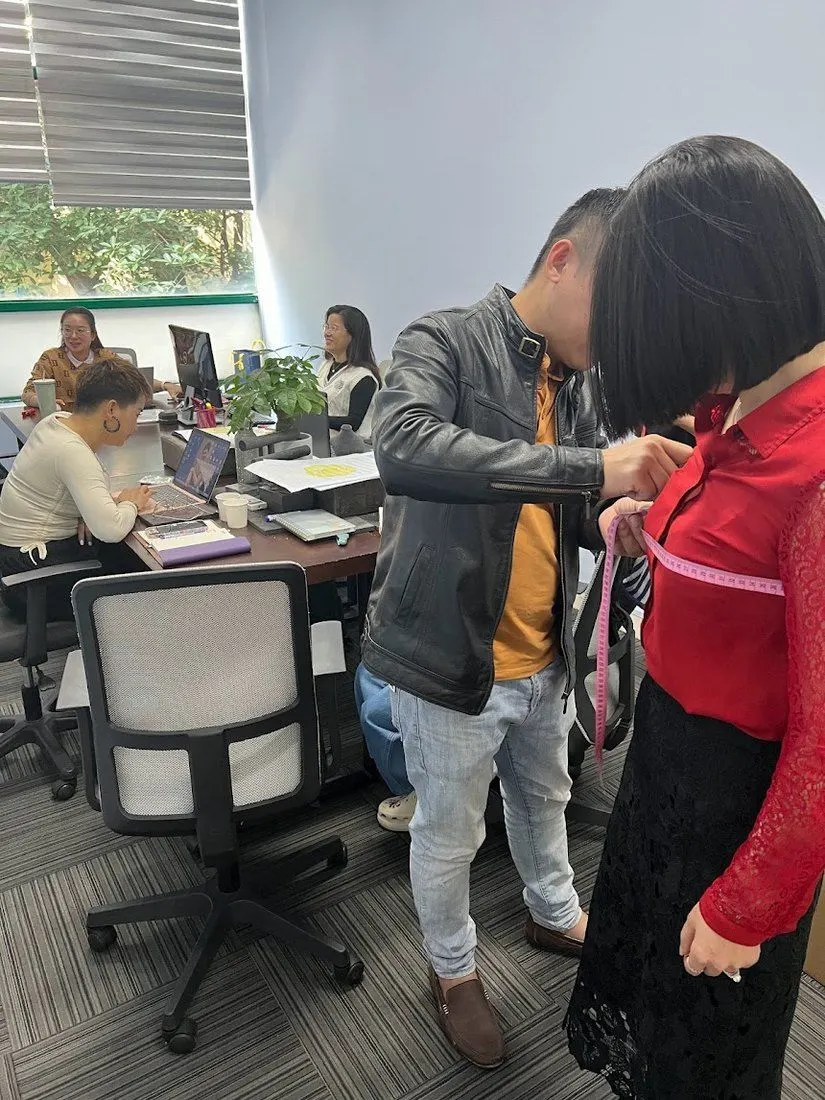
Handing an order to a customer in the store A ThangVest suit The collection on display in the store Measuring a customer in person at the office A customer trying on a suit in the store
05 · Results

Balancing the equation a small business lives or dies by

~VND 300M
Average monthly revenue
80%
of revenue from B2B wholesale
500+
Individuals, resellers and studios
MetricResultNote
Revenue / month~VND 300M-
Revenue mix20% B2C : 80% B2BWholesale as the base, retail for the margin
Customers to date500+Individuals plus resellers and studios nationwide
Ad budgetNegligibleSales came mostly through B2B relationships and organic reach
Where the cost satRent and stock capitalManaged through inventory turnover speed
06 · Lessons

What I took away

01 · The owner's point of view

When the money is your own, you notice that advertising is often only the visible part. Rent, capital sitting in the stockroom and opportunity cost are what actually bring a business down.

02 · Cash flow beats revenue

Revenue can look impressive while every last unit of capital is stuck in the stockroom, and the business stops breathing anyway. The wholesale customers, at 80% of revenue, were the oxygen that kept cash moving.

03 · Selling teaches marketing better than any textbook

Thousands of face-to-face conversations taught me to read hesitation in a buyer precisely. That store of hard-won insight is still what I reach for to lift conversion rates, now that I am handling budgets in the billions for larger brands.

Back to the first case
SAPON GROUP